Employers Should NEVER Allow New Hires To Start Before Drug Test or Background Check Results Arrive
In the United States, the phrase “conditional job offer” exists for a reason. It signals clearly that the offer is conditional upon the applicant meeting specific pre-employment requirements—most commonly a drug test, background check, or other screenings relevant to the role.
Yet in practice, many employers overlook or bypass these requirements by allowing an employee to start working (or even start training) before the results come back.
On the surface, it may feel efficient: filling a shift quickly, “getting them started,” avoiding delays in onboarding. But this decision often leads to far more inconvenience, risk, and liability than the temporary efficiency ever justifies.
In fact, starting an employee before their pre-employment checks
are complete can put employers in a no-win situation—one that could have easily been avoided.
The Purpose of a Conditional Offer
A conditional job offer means the employer is prepared to hire the candidate only if the candidate successfully satisfies required screenings. These requirements exist to:
- Protect the organization and its employees
- Reduce liability
- Maintain safety
standards
- Comply with internal policies
- Comply with industry regulations (where applicable)
- When employers ignore the conditions they themselves establish, they undermine their own policies and expose the company to unnecessary risk.
The Common Mistake: Starting Too Soon
Many employers, especially those under pressure to staff quickly, allow new hires to begin working or training before receiving drug test
or background check results.
This might happen due to:
- Staffing shortages
- Desire to reduce downtime
- Pressure from management to fill roles quickly
- Misunderstanding of policy requirements
- Administrative oversight
Unfortunately, the problems begin as soon as the employee has clocked their first hour.
When Results Come Back Unsatisfactory:
A Lose-Lose Situation
If the drug test
or background check later reveals an issue, the employer is stuck. The company must choose between:
1. Terminating an employee who just began working
This can be awkward, damaging to morale, and—depending on the state—may raise legal or unemployment-claim complications. Some employees may argue they relied on the employer’s indication that they were “officially hired,” especially if they left a previous job to start the new
one.
2. Allowing the employee to stay despite failing to meet the conditions of hire
This is equally problematic. It can:
- Create safety risks
- Violate internal policies
- Undermine standards of consistency and fairness
- Create precedent that is difficult to uphold later
- Invite claims of discrimination if exceptions appear arbitrary
- Compromise workplace trust and integrity
Either decision has
unintended consequences—and all of it stems from bypassing a very simple safeguard: waiting.
Legal and Compliance Concerns
While laws vary by state, many employers don't realize that allowing employees to begin work early can expose them to compliance issues.
For example:
- DOT-regulated positions: Employees cannot begin safety-sensitive duties until negative drug test results are
confirmed.
- Healthcare and childcare roles: Background checks are often mandated before the first day of work.
- Unionized environments: Contract language may explicitly require pre-employment screening compliance.
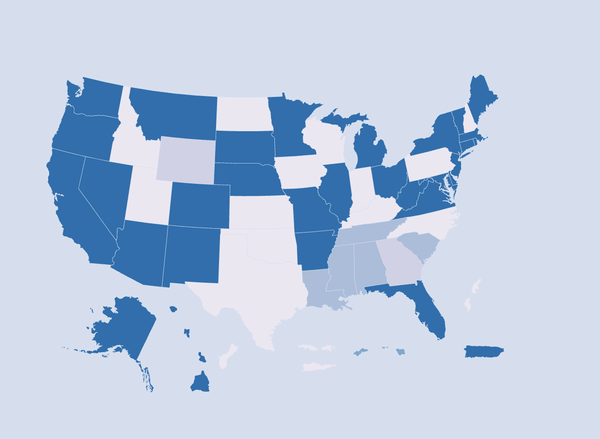
- State laws: Some states impose specific requirements around conditional offers and screenings.
Even in non-regulated industries, best practices and consistency are essential to reducing
risk.
The Practical Takeaway: Delay the Start Until Results Are Final
It may feel inconvenient to delay a start date while waiting on screening results, but doing so ultimately, protects the employer from liability, maintains consistency in hiring practices, supports legal compliance, preserves workplace morale, avoids emotional and administrative headaches, and
ensures policies actually mean something. A short delay is far
easier to manage than untangling the consequences of bringing someone onboard prematurely.